
Anyone who spends time outdoors in the Memphis and Huntsville areas knows our landscapes come with a few hidden hazards. Among the most notorious are poison ivy, poison oak, and poison sumac – three plants that can turn a routine day on a property into weeks of itching and irritation.
Our crews at Michael Hatcher & Associates encounter these plants regularly across both markets, so plant safety is part of how we work. Here’s what you need to know to identify them, avoid them, and respond quickly if you’re exposed.
What Causes the Allergic Reaction?
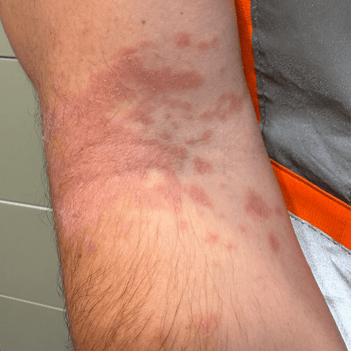 All three plants share one culprit: urushiol oil. This oily resin lives in the sap and is present year-round in the leaves, stems, vines, roots, flowers, and berries, even after leaves change color and drop.
When urushiol touches skin, it penetrates the outer layer and binds to skin proteins, changing their shape. Your immune system’s T cells no longer recognize those proteins as your own and attack them – a type IV delayed hypersensitivity reaction, better known as allergic contact dermatitis. Because it’s an immune response rather than a histamine reaction, the rash is delayed: usually 24 to 48 hours if you’ve been exposed before, and up to three weeks on the first exposure.
An estimated 85 to 90 percent of people are allergic to urushiol to some degree. The rash itself is not contagious, but urushiol can linger on clothing, tools, and pet fur for months or years until it’s washed off, so re-exposure from contaminated gear is a real risk.
How to Identify Each Plant
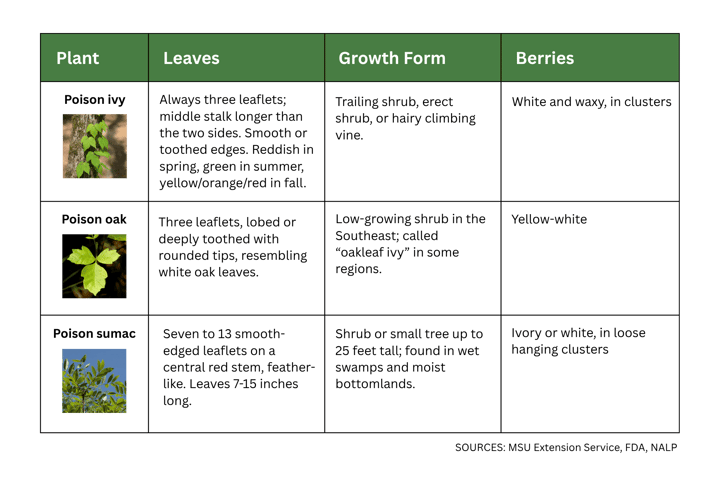
The Mississippi State University Extension Service sums up the most important rule: “Leaflets three, let it be.” Poison ivy always has three leaflets, regardless of season or growth form.
Watch out for look-alikes. Virginia creeper has five leaflets from a single point – leaves of five, let it thrive” – and is harmless. But Boston ivy also has three leaflets and is tough to tell apart from poison ivy, so when in doubt, leave it alone.
How to Avoid Exposure
The National Association of Landscape Professionals recommends these precautions for anyone working outdoors: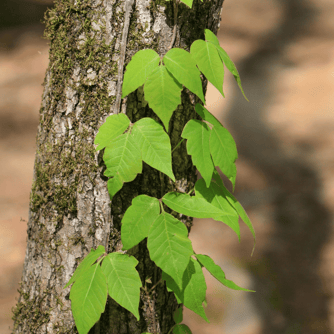
- Learn the plants first. Scan your work area for three-leaflet plants before you start.
- Suit up. Long sleeves, long pants tucked into boots, and impermeable gloves.
- Never burn these plants. Urushiol in the smoke can cause a rash in the lining of the lungs – an extremely painful reaction that can affect people far downwind.
- Wash tools, gloves, and clothes. Clean tools with rubbing alcohol or soap and water; wash work clothes separately in hot water and dry on high.
- Bathe exposed pets. Most pets aren’t sensitive, but oil on their fur can transfer to you. Don’t assume you’re immune. Sensitivity can develop at any time, especially after repeated exposure.
What to Do If You Come In Contact
Act fast – the sooner you remove the oil, the better your odds of avoiding or reducing the rash.
- Wash within 30 to 60 minutes using soap and cool water.
- Use a degreasing soap, rubbing alcohol, or a poison plant wash, then rinse thoroughly with plenty of cool water.
- Scrub under your fingernails. Trapped oil spreads to other areas.
- Remove and wash contaminated clothing separately in hot water, handling it with gloves or tongs.
- Clean any tools or gear with rubbing alcohol or degreasing soap.
- Don’t scratch blisters. Bacteria under your nails can cause infection.
- Relieve itching with cool compresses, calamine lotion, 1% hydrocortisone cream, colloidal oatmeal baths, or an oral antihistamine.
See a doctor if you have a fever over 100°F, pus, or yellow scabs on the rash, itching that keeps you awake, a rash that spreads to your eyes, mouth, or genitals, a rash covering more than a quarter of your body, or a rash that isn’t improving in a few weeks. Call 911 if you have difficulty breathing.
From the Field
Jarret Fowlkes, a Commercial Maintenance Account Manager at Hatcher’s Memphis Branch, knows firsthand how bad a reaction can get:
“I can tell you from experience, poison ivy is absolutely miserable! I had a pretty bad reaction to it, and the itching and irritation seemed like they would never go away. I would definitely encourage everyone to learn what it looks like and pay attention to what you’re working around. Wearing long sleeves and gloves, and taking a few extra precautions, can save you from a lot of discomfort!” – Jarret Fowlkes, Commercial Maintenance Account Manager, Michael Hatcher & Associates
Even seasoned landscape professionals aren’t immune. A few extra minutes of awareness and the right gear go a long way.
Our Commitment to Crew Safety
Education is the best defense against poisonous plants. That’s why Hatcher Landscape created and shared a helpful safety video with our
employees as an additional resource to reinforce awareness around poisonous plants and outdoor safety. Our crews across the Memphis and Huntsville markets are trained to recognize these plants on every property we service.
The Bottom Line
Poison ivy, poison oak, and poison sumac are year-round hazards throughout the Memphis and Huntsville areas, but they don’t have to derail your plans. Remember the rule – “leaflets three, let it be” – and take a few simple precautions to protect yourself and your team.
Need help identifying or safely removing poisonous plants from your commercial property? In North Mississippi and the Greater Memphis Area, contact Business Development Manager Caleb Ratcliffe at 901-677-9450 to learn more about commercial landscape maintenance services available at Michael Hatcher & Associates. In Huntsville, contact Business Development Manager John-Paul Tortorigi at 256-679-1885.